
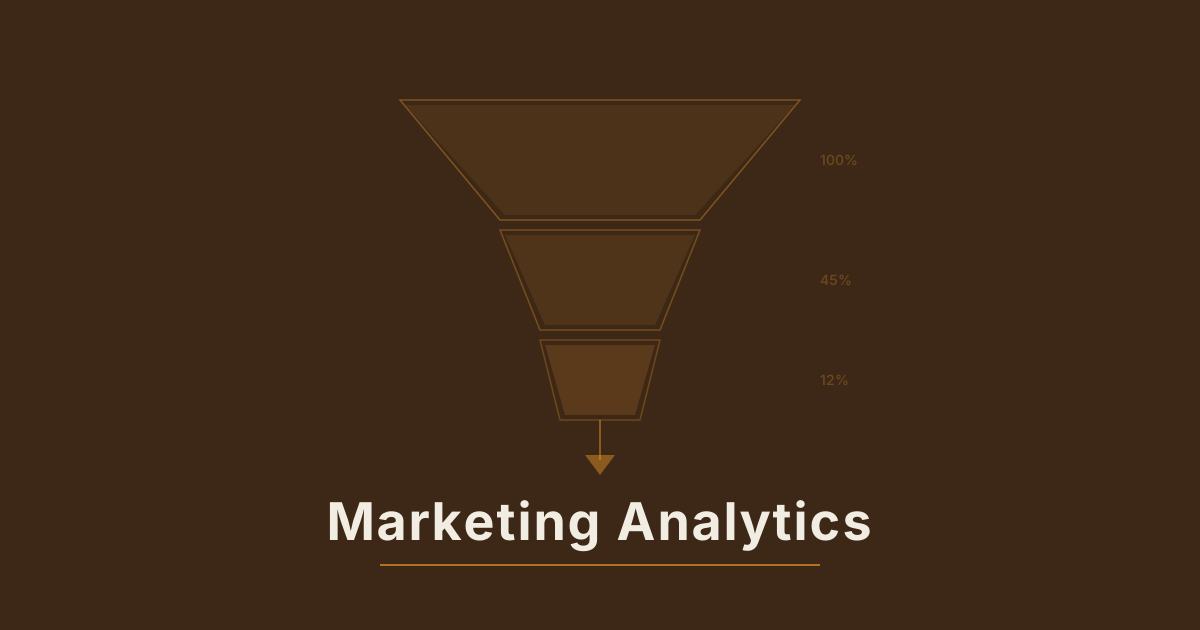
Most brands run the same video content at every stage of the funnel — broad awareness content that entertains, repeated as though it will also close deals. It doesn't. A buyer who doesn't know you exist needs something completely different from a buyer weighing your product against two competitors. Mapping video content to funnel stages isn't a marketing theory exercise; it's the difference between video that moves people and video that sits on a channel accumulating views that never convert.
AI video generation makes this practical in ways that weren't possible before. Creating six different video types for six different audience segments used to require a production team. Now it requires a Friday afternoon and a good prompt set.
Why Funnel-Stage Mismatch Kills Otherwise Good Video Content#
The standard failure mode looks like this: a brand makes polished, well-produced videos for social media. Engagement is decent. Sales from video are negligible. The diagnosis: awareness content is reaching awareness-stage audiences and stopping there. No content exists for buyers who already know the brand and are evaluating it. No content exists for buyers at the moment of decision.
The funnel has three fundamentally different buyer psychologies:
Awareness-stage buyers don't know they have a problem or don't know your product exists. They're not actively looking. The right video interrupts their scroll with something relevant, entertaining, or useful — and creates the beginning of brand recognition. These buyers need to feel something, not decide something.
Consideration-stage buyers are actively researching solutions. They're watching YouTube comparisons, reading reviews, digging into how products actually work. The right video gives them the specific, credible information they need to shortlist you. These buyers need to know something, not just feel something.
Conversion-stage buyers have narrowed their decision to a small set of options including yours. They need a final reason to act — a demonstration, a testimonial, an offer, or just a clear articulation of what they'll get. These buyers need to decide something.
Each stage requires different video types, different tones, different calls to action, and different distribution channels. Trying to cover all three with one content type means you're doing none of them well.
Awareness Stage: AI Video That Captures Cold Audiences#
The awareness-stage video has one job: break through the noise for the right audience and create enough interest that the viewer takes the next small step — a follow, a save, or a click. It doesn't try to explain the full product. It doesn't push a CTA with pricing. It hooks.
Formats That Work for Awareness#
Short-form social video (TikTok, Reels, Shorts): The primary awareness vehicle in 2026. The audience is cold and passive. The hook needs to earn the next 10 seconds without requiring any prior knowledge of your brand. AI-generated visuals work particularly well here because production quality matches what native platform content looks like — no corporate production sheen that signals "this is an ad."
Educational hooks: A piece of useful, specific information about a problem your product solves. "Three signs your onboarding sequence is losing customers" for a SaaS company. "Why most product videos fail in the first three seconds" for a creative tool. The viewer doesn't need to know you exist — they need to care about the problem.
Pattern-interrupt visuals: Unexpected visual transitions, before/after reveals, or visually surprising content in the first frame. Cold audiences scroll at speed. The first frame either stops the scroll or doesn't.
AI prompt structure for awareness content:
"Short-form 9:16 vertical video, 20–30 seconds. Opens with [unexpected visual or bold statement about a specific audience problem]. Cinematic style, [niche-appropriate aesthetic — minimalist/dramatic/aspirational]. No CTA or brand mention in first half. Ends with a subtle [brand or product category] reference. High contrast, visual movement in first 2 seconds."
For lead generation, awareness content is the top of the pipeline. Volume matters — more entry points mean more people entering the funnel at the top. AI generation makes high-volume awareness content economically viable at a cadence that manual production can't match.
Consideration Stage: AI Video That Builds Trust and Reduces Objections#
Consideration-stage buyers are actively looking. They've likely already seen your brand — through an awareness video, a search result, or a referral. Now they're deciding whether to take you seriously. The right video at this stage earns trust and addresses the specific objections standing between the buyer and a purchase decision.
Formats That Work for Consideration#
Product walkthroughs and demos: Show the product working in context. Not a feature list — a workflow. "Here's what it looks like to go from X to Y using [product]." Real outputs, real steps, honest about limitations. AI-generated visual demos work well for software and digital tools; for physical products, AI-generated context (settings, backgrounds, scenarios) can supplement real product footage.
Explainer videos: Educational content that positions your brand as the expert on the problem your product solves. A 90-second explainer on "how AI video generation actually works" builds more trust than a 90-second product promo, because it proves competence before asking for a purchase.
Comparison content: How-to content that implicitly or explicitly shows your approach versus the alternative. Buyers in consideration are running comparisons anyway — a brand that helps them run a fair comparison (and wins it) earns significantly more trust than a brand that just promotes.
Testimonial-style content: Third-party perspectives, results with specific numbers, before/after outcomes. AI-generated visual context can enhance authentic testimonials — placing real quotes in a clean, well-designed visual treatment — without fabricating the testimonials themselves.
AI prompt structure for consideration content:
"Explainer video format, 60–90 seconds, 16:9 or 9:16 depending on platform. Visuals showing [specific workflow or use case]. Calm, authoritative tone. Text overlays naming each step. Mid-video pause to address [the most common objection: cost / complexity / reliability]. Ends with [outcome-focused statement, not a sales line]."
Consideration content lives on YouTube (long-form search results), your website's product pages, and email sequences for leads who've engaged with awareness content. The goal is not to entertain — it's to inform and de-risk.
Conversion Stage: AI Video That Closes the Sale#
Conversion-stage content reaches people who are close to a decision. They've done their research. They know the product. They need a push — or they need the last remaining doubt answered.
Formats That Work for Conversion#
Direct response video ads: Short (15–30 second), specific, with a clear offer. These aren't brand awareness plays — they're ads in the traditional sense: here's what you get, here's the price or CTA, here's why now. AI-generated visual quality in this format matches or exceeds traditional production for most categories.
Demonstration-of-outcome content: Video showing the specific outcome the buyer will get. Not the product features — the buyer's life or business after using the product. The more specific and credible, the better: a finance tool showing a real user's debt payoff timeline, a creative tool showing a 3-hour project completed in 15 minutes.
Urgency and social proof: Limited offers, enrollment closes, waitlist sizing, usage numbers. "14,000 teams already use this" is more persuasive than any feature description at the conversion stage. AI-generated video can render these figures cleanly as an animated stat, without looking like a TV infomercial.
Retargeting video content: Conversion video almost always runs as retargeting — aimed at people who've already engaged with awareness or consideration content. Retargeting campaigns built on a segmented audience (specifically people who watched 75%+ of a consideration video) convert at dramatically higher rates than cold audience conversion attempts.
AI prompt structure for conversion content:
"Direct response video ad format, 15–20 seconds, 9:16 or 1:1. Opens with a specific outcome statement [X in Y days / save $Z / complete [task] without [friction]]. Shows product or result visually for middle 10 seconds. Closes with CTA [try free / book a demo / join now] over clean branded background. High contrast, fast cut pace. No unnecessary context — viewer already knows the brand."
Retention and Upsell: AI Video After the Purchase#
The funnel doesn't end at conversion. Post-purchase video content drives retention, reduces churn, and identifies upsell opportunities — and it's one of the most underused applications of AI video generation.
Onboarding video sequences: Short how-to videos sent in the first week of product usage. Specific to the feature the new customer is likely to use first. AI-generated screencasts and product walkthroughs cover this without requiring a customer success team to record one-off walkthroughs for every use case.
Success milestone content: "You've been using [product] for 30 days — here's what's possible in the next 30." Celebrating user progress creates emotional attachment to the product and opens the conversation about advanced features or higher tiers.
Upsell education: Video explaining what becomes possible with an upgraded plan. Not a sales push — a genuine demonstration of the gap between what the customer is currently getting and what they could be getting. The closer this is to the customer's actual use case, the more effective it is.
Email marketing sequences are the primary delivery channel for post-purchase video. Personalized video thumbnails in email (even static images that link to hosted video) increase click-through rates by 2–3x over text-only emails, and AI-generated video makes producing enough variation to match different customer segments economically viable.
AI Prompt Templates by Funnel Stage#

A prompt template library organized by funnel stage accelerates batch production significantly. Here are starting templates for each:
Awareness (cold social audience):
"9:16, 15–25 seconds. Visually striking opening — [specific unexpected image or motion for your niche]. No product reference in first 10 seconds. Communicates [core audience problem or aspiration] through visuals alone. Quick cut to 2-second brand or category tag at end. Aesthetic: [cinematic/minimalist/energetic]."
Consideration (warm audience, search/YouTube):
"16:9, 60–120 seconds. Opening states the specific problem being addressed. Walks through [3–4 steps or aspects of the solution]. Includes a visual for each step — [describe visual types]. Mid-video addresses the main objection: [name the specific objection]. Ends on a clear outcome statement, no aggressive CTA."
Conversion (retargeting/email):
"1:1 or 9:16, 15–20 seconds. Opens with specific outcome claim — [X result in Y timeframe]. Visuals show product or outcome directly. Closing frame: single clear CTA with [specific offer or urgency element]. Tone: direct and confident, not promotional."
Retention (email/app/onboarding):
"16:9 or 1:1, 60–90 seconds. Screen-recording style or clean animated walkthrough. Covers exactly [one feature or workflow]. Pacing: slow enough to follow. Ends with what the user can do next. Warm, supportive tone — this is a help video, not a sales video."
Measuring What's Working at Each Stage#
The right metrics differ by funnel stage — using conversion metrics to evaluate awareness content produces false negatives that lead brands to kill content that was actually working.
| Stage | Primary metric | Secondary metric | |-------|---------------|-----------------| | Awareness | Reach, video completion rate, new followers | Brand search volume uplift, website direct traffic | | Consideration | Watch time, page dwell time, repeat views | Demo requests, email list opt-ins | | Conversion | Click-through rate, cost per acquisition | Trial starts, purchases | | Retention | Feature adoption rate, login frequency | NPS, upgrade rate |
A common mistake: measuring awareness content on click-through rate. Awareness video isn't designed to be clicked — it's designed to be watched and remembered. The right question isn't "did they click?" but "did they seek us out later?" Brand search volume and direct traffic in the week following a campaign are better proxies for awareness video effectiveness than CTR.
Tracking these metrics separately, by funnel stage, tells you where the funnel is healthy and where it leaks. A strong awareness metric with weak consideration engagement suggests the top-of-funnel video is working but consideration content is missing or mismatched. A strong consideration metric with weak conversion suggests the last-mile content needs work — better retargeting, a stronger offer, or a testimonial that addresses the final objection.
If you're building out video for multiple funnel stages and want to generate that variation at production scale, Mango handles batch AI video generation for every format and stage — without needing a separate tool for each one.